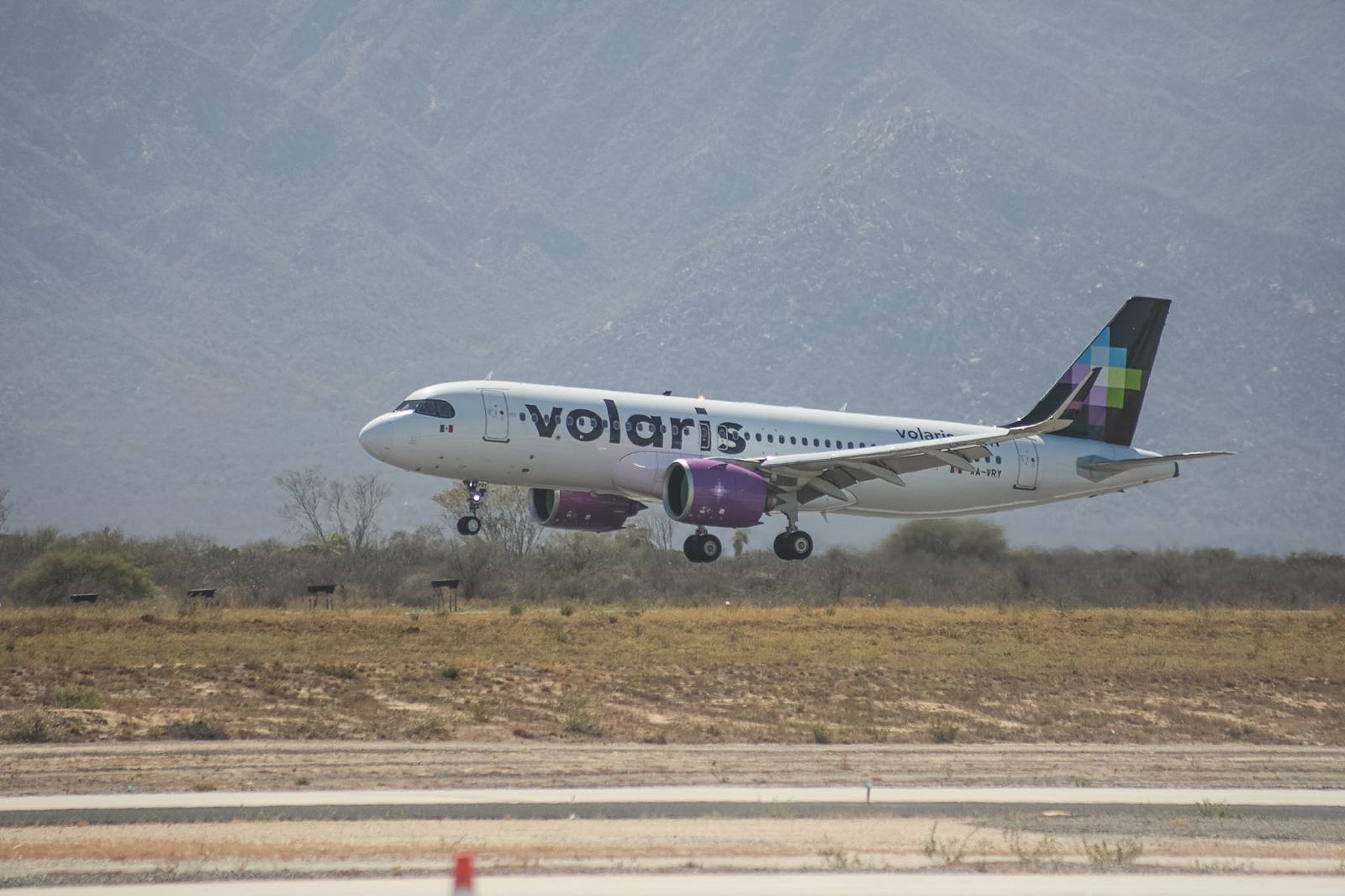

Thousands of travelers from Puebla visit Los Cabos in less than three months
The direct Puebla–Los Cabos route, operated by Volaris, carried nearly 10,900 passengers during June and July 2026, while advance bookings remain above the market average.
Less than three months after launching, the direct Los Cabos–Puebla air route is recording a positive load factor, reflecting the strong response to this new connection between the tourist destination and one of the key markets in central Mexico. During June and July 2026, the route carried nearly 10,900 passengers, while advance bookings remain above the market average.
“The response to the Los Cabos–Puebla route confirms the potential to further strengthen the destination’s domestic connectivity and serve source markets with growing demand. In 2024, we welcomed over 520 visitors from Puebla’s Hermanos Serdán Airport, a figure that rose to more than 1,400 in 2025. With the launch of the direct connection, Los Cabos has already received nearly 11,000 visitors from this market in just a few months—a volume more than seven times higher than the total recorded in 2025—demonstrating the impact that increased air connectivity can have on tourist arrivals,” noted Rodrigo Esponda, Director General of the Los Cabos Tourism Board (FITURCA).
The Puebla–Los Cabos route, operated by Volaris, began service on June 1, 2026, and operates four times a week (Mondays, Wednesdays, Fridays, and Saturdays). It offers 744 seats weekly using aircraft with a capacity of 186 economy-class passengers, opening up the potential to welcome more than 35,000 tourists annually from Puebla. Flights from Puebla depart at 1:25 p.m. and arrive in Los Cabos at 2:30 p.m., while the return flight takes off from Los Cabos at 3:15 p.m. and arrives in Puebla at 6:24 p.m. This service enables direct travel, with a flight time of approximately two hours.
“The results of the Los Cabos–Puebla route confirm the potential we identified in this market at its launch. At Volaris, we remain committed to connecting regions of Mexico that previously had limited direct travel options, and this performance motivates us to continue strengthening our presence in both Los Cabos and Puebla—two destinations with increasingly significant tourism and economic appeal for our customers,” said Jorge García, Director of Market Development, Distribution, and Cargo at Volaris.
Puebla: A Market with Potential for Los Cabos
Beyond facilitating travel between the two cities, the new connection expands the reach of Los Cabos’ tourism offerings to a domestic market with new growth potential. From nature and adventure experiences to gastronomy, hospitality, and wellness, the destination aims to capitalize on this improved accessibility to diversify the origins of its visitors.
Against this backdrop, FITURCA hosted an event in Puebla for travel agencies and the media. The goal was to showcase the destination’s tourism offerings to industry professionals, raise awareness about Los Cabos, and support the new route’s growth through increased promotion in the Puebla market. This initiative is part of a comprehensive promotional program that includes marketing and public relations campaigns designed to publicize this new connectivity option, strengthen its market positioning, and stimulate demand.
The addition of Puebla is part of a long-term strategy to expand and diversify Los Cabos’ domestic connectivity. In less than a decade, the destination has grown from eight domestic routes to 17, while domestic seat capacity has increased by 42% over the last five years, according to FITURCA. Through Volaris, Los Cabos currently offers eight domestic routes connecting the destination to Bajío, Guadalajara, Tijuana, Mexicali, Culiacán, Toluca, Santa Lucía (AIFA), and Mexico City, in addition to the new connection to Puebla.
The expansion of the domestic air network allows Los Cabos to extend its reach within Mexico and create new opportunities for the tourism sector. Regarding the Puebla route, initial performance and advance booking trends indicate an opportunity to consolidate this market and translate air connectivity into increased visitor numbers and economic impact for the destination.